
The most useful winter electrical safety checks for your home are simple ones: test your RCDs and smoke alarms, look over your plugs, sockets and extension leads for damage or overloading, keep heaters well clear of anything flammable, and arrange an inspection if your wiring or consumer unit is old. Anything that involves opening up fixed wiring or the consumer unit should be left to a qualified electrician.
As the evenings draw in, homes in Northamptonshire switch on heaters, run the heating for longer, put up lights and plug in more devices. That pushes wiring harder than it has been all summer, so autumn is the right moment for a short, sensible check. This checklist covers what you can safely do yourself and what needs a professional.
Why does winter put more strain on your electrics?
Demand rises sharply once it gets cold and dark. Electric heaters, fan heaters, heated blankets, tumble dryers, extra lighting and Christmas decorations all draw power at the same time, usually in the evening when the household is at home. Circuits that coped easily in July can be pushed close to their limits in January, particularly if too many appliances share one socket or extension lead.
Older wiring feels this most. Plenty of homes in Northampton, Kettering and Wellingborough date from the Victorian or interwar periods, and many have been altered and extended piecemeal over the decades. A house like that may have a mixture of old and newer cables, sockets added to circuits that were never designed for them, and a consumer unit that predates modern protection. Damp, cold conditions and the occasional rodent in a loft or under a floor can make matters worse.
What can you check yourself at home?
There is a sensible list of visual checks that anyone can carry out without touching anything live and without removing a cover. Start with the sockets and plugs you use most. Look for cracked or discoloured faceplates, scorch marks, sockets that feel warm to the touch, plugs that fit loosely, or any smell of burning plastic. If you see any of these, stop using that socket and have it looked at.
Next, look at your leads and cables. Frayed, kinked, taped-up or crushed flexes should be replaced, and any lead that has been run under a carpet or rug should be moved, because heat and damage can build up out of sight. Check that cables are not trapped beneath furniture or stretched tight across a doorway.
Then look at how you are using extension leads. A standard extension is designed for a limited total load, and the packaging usually tells you the maximum. A fan heater, a kettle or a heated towel rail should not be plugged into a multi-way adaptor at all, because these draw a lot of current. Plug high-power heaters directly into a wall socket, and never daisy-chain extension leads together.
How do you test your RCD and smoke alarms?
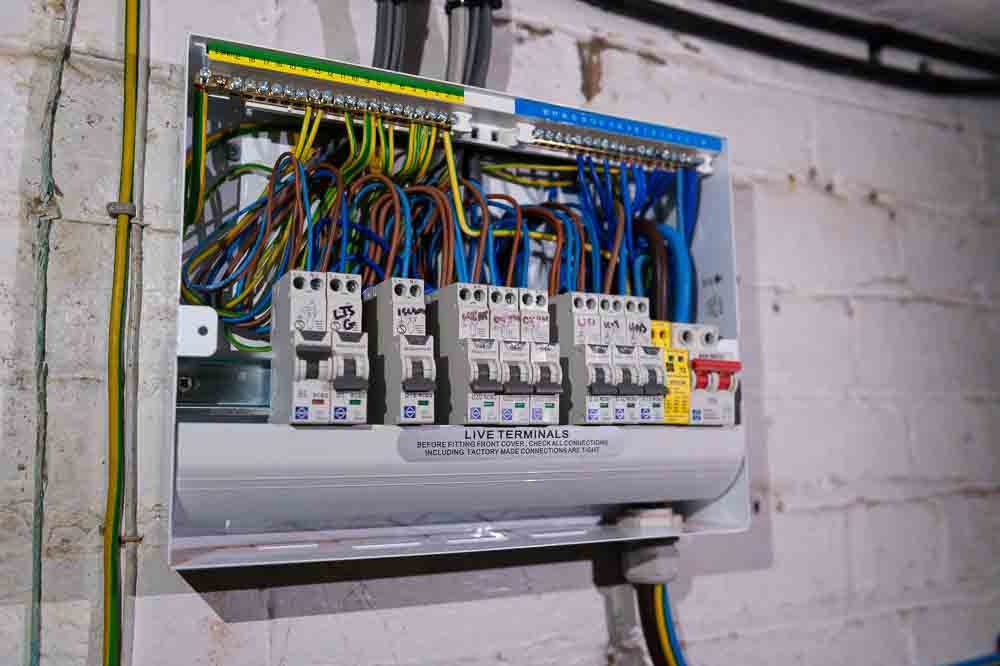
If your consumer unit has an RCD, which is a residual current device that cuts the power quickly if it detects a fault to earth, it should have a test button. Pressing it should switch the power off. Most guidance suggests doing this every few months, and the start of winter is a good moment. If the RCD does not trip when you press the button, or will not reset afterwards, contact an electrician. Be aware that pressing the button will turn off the circuits it protects, so save your work and reset any clocks or equipment afterwards.
Smoke alarms should be tested at the same time, using the test button on each unit. Replace batteries where needed and check that the alarms are still within their recommended life, which is printed on the back of most devices. If you have a carbon monoxide alarm because of a gas boiler or a wood burner, test that as well. These are not electrical protection devices, but a winter safety check is the sensible moment to look at all of them.
Are heaters, fairy lights and decorations safe?
Used sensibly, yes. Portable heaters need space around them, so keep them at least a metre from curtains, bedding, furniture and clothes, and never use them to dry washing. Do not leave a heater running unattended in a room where someone is asleep, and look at the plug and lead each time you use it. A heater that trips the supply, makes a crackling sound or smells of burning should be taken out of use.
Decorative lights should carry the correct UK markings and be suitable for the place you are using them. Indoor lights should stay indoors, and outdoor lights need an appropriate weatherproof rating, with a connection that keeps the plug and socket dry. Switch lights off at night and when you leave the house, and do not run cables through windows or doors where they can be trapped. If a string of lights has damaged wire, loose bulbs or a hot transformer, replace it.
Many households now have a mix of smart plugs, chargers and timers, and it is easy to put too much through a single socket. If you are not sure whether a combination is safe, spread the load across different sockets, and ask a professional if you keep seeing the circuit trip.
What do you do if a circuit keeps tripping?
A trip is the system doing its job. Unplug everything on the affected circuit, reset the breaker and plug appliances back in one at a time. If it trips again when you plug in a specific appliance, that appliance is probably faulty, and it should be repaired or replaced. If it trips with nothing plugged in, or trips repeatedly without an obvious cause, there may be a fault in the fixed wiring, and you should call an electrician.
Do not hold a breaker in position, tape a switch down, or replace a fuse with something of a higher rating. Those shortcuts defeat the protection that is there to stop wiring overheating. A homeowner in a rural village near Daventry who finds the kitchen circuit tripping every time the kettle and toaster run together is probably seeing an overloaded circuit rather than a fault, but only a test can tell the difference.
How do you know if your consumer unit and wiring are due a check?
Consumer units have changed a lot over the years. Older units with rewirable fuses, or those without RCD protection, do not offer the level of protection that modern regulations expect. Cracked or scorched casings, a unit that hums or feels warm, and fuses that blow regularly are all reasons to get it looked at. If you are not sure how old your unit is, an electrician can tell quickly. Our consumer unit replacement page explains when a replacement is worth considering and what the work involves.
A more general way to find out where you stand is an Electrical Installation Condition Report, usually called an EICR. This is a formal inspection and test of your fixed wiring, and it produces a report that classifies any observations. It is particularly worth considering if you have bought an older property, have not had the wiring checked in many years, or have noticed signs of trouble. Read more on our EICR page.
When should you call a qualified electrician?
Call promptly if you notice a burning smell, scorched or melted sockets or switches, buzzing, sparking, lights that flicker or dim when heavy appliances start, an RCD that will not reset, or any sign that wiring is damaged or wet. Turn off the affected circuit at the consumer unit if it is safe to do so, and leave it off until it has been checked. In an emergency involving fire, smoke or injury, call 999.
Do not open the consumer unit, remove sockets from the wall, or try to repair fixed wiring yourself. Electrical work in the home must meet the wiring regulations, and some work has to be notified under the Building Regulations. In a rented home or a new-build property, there may also be responsibilities shared with the landlord or developer, so it is worth checking before arranging work. ST Electrics is an approved contractor with NICEIC, as shown in the footer of this site.
Frequently asked questions
How often should I test my RCD?
Most manufacturers and electricians suggest every three months. Press the test button and check that the power goes off, then reset it.
Is it safe to leave Christmas lights on overnight?
It is best to switch them off when you go to bed or leave the house. Lights that stay on for long periods can overheat if they are damaged or covered.
Can I use an extension lead for a heater?
It is better to plug a heater straight into a wall socket. If you must use an extension, it should be fully uncoiled and rated for the load, but a wall socket is safer.
How do I know if my wiring is too old?
Condition matters more than age. Rubber-covered or fabric-covered cable, old round-pin sockets, rewirable fuses and a lack of RCD protection suggest that an inspection is overdue.
Who should I call if I lose power in one room?
First check your consumer unit for a tripped switch. If it will not reset or the problem returns, call an electrician rather than trying further fixes.
Want a safety check before winter sets in?
If something has worried you, or you would like your wiring looked over, get in touch with ST Electrics and we will arrange a visit at a time that suits you.